Blood Types, CBC Tests and Normal Ranges: Results Explained
Understand ABO and Rh blood types, CBC markers such as hemoglobin, hematocrit, white cells and platelets, and why normal ranges need clinical context.

Introduction
Blood tests are among the most common tools in medicine. Two of the most familiar topics are blood type and the complete blood count, often called a CBC. Blood type is important for safe transfusion, pregnancy care and some emergency situations. A CBC helps clinicians evaluate red blood cells, white blood cells, hemoglobin and platelets.
This article explains blood types and CBC markers in a practical way. It does not replace professional interpretation. Normal ranges vary between laboratories, age groups, sex, pregnancy status and clinical situations. A result that is slightly outside range may be harmless in one person and important in another.
ABO and Rh Blood Types
The ABO system classifies blood mainly into four groups: A, B, AB and O. These groups are based on antigens on the surface of red blood cells and antibodies in the plasma.
The Rh system adds another important layer. A person is usually described as Rh-positive or Rh-negative based on whether the Rh D antigen is present on red blood cells. This creates the eight common blood types: A positive, A negative, B positive, B negative, AB positive, AB negative, O positive and O negative.
Blood typing is performed before transfusion because incompatible blood can trigger a dangerous immune reaction. It is also relevant in pregnancy, because Rh incompatibility between a pregnant person and fetus can require preventive medical management.
Why Blood Type Matters
Blood type matters most when blood or blood components may be transferred from one person to another. Before a transfusion, laboratories usually perform ABO/Rh typing and compatibility testing. In many cases, an antibody screen and crossmatch are also used to reduce the risk of transfusion reactions.
Blood type may also matter in organ transplantation and pregnancy care. However, blood type is not a complete health profile. It does not tell whether a person is healthy, anemic, infected or at risk for most diseases. For that, clinicians use history, examination and tests such as the CBC, chemistry panel, coagulation tests and targeted studies.
What a Complete Blood Count Measures
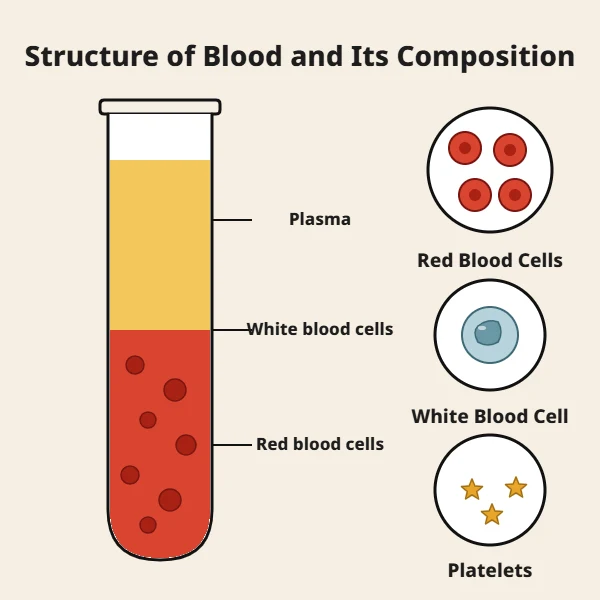
A complete blood count is a group of tests that measures several features of blood cells. Common CBC markers include:
- Red blood cell count: the number of red blood cells.
- Hemoglobin: the oxygen-carrying protein in red blood cells.
- Hematocrit: the percentage of blood volume made up by red blood cells.
- Mean corpuscular volume (MCV): the average size of red blood cells.
- White blood cell count: the number of immune cells in the blood.
- Differential count: the proportions or absolute numbers of different white blood cell types.
- Platelet count: the number of platelets involved in clotting.
CBC results help screen for anemia, infection, inflammation, immune problems, bleeding risk, clotting issues, medication effects and bone marrow disorders. They are often used with other tests rather than alone.
Example Adult Reference Ranges
Reference ranges differ by laboratory. The values below are general examples and should not be used as personal diagnostic thresholds.
| Marker | Common adult reference concept | What it may suggest when abnormal |
|---|---|---|
| Hemoglobin | Often lower in anemia and higher in dehydration or some marrow/lung conditions | Low values may reduce oxygen delivery |
| Hematocrit | Reflects the proportion of blood made of red blood cells | Low may occur with anemia; high may occur with dehydration or excess red cell production |
| White blood cells | Immune cell count | High or low values may occur with infection, inflammation, immune disorders, medications or blood cancers |
| Platelets | Clotting cell fragments | Low may increase bleeding risk; high may reflect inflammation, iron deficiency or marrow disorders |
| MCV | Average red blood cell size | Low may occur in iron deficiency or thalassemia; high may occur with B12/folate deficiency, liver disease or some medications |
The pattern is usually more important than one number. For example, low hemoglobin with low MCV may suggest a different diagnostic direction than low hemoglobin with high MCV.
How Doctors Interpret CBC Results
A CBC is interpreted in context. Clinicians usually ask several questions
- Does the patient have symptoms such as fatigue, fever, bruising, bleeding, weight loss or shortness of breath?
- Is the abnormality new or long-standing?
- Is one cell line abnormal or are several affected together?
- Are medications, pregnancy, recent infection, chronic disease or nutritional deficiency involved?
- Does a blood smear, iron panel, vitamin level, kidney function test, inflammatory marker or bone marrow test need to be added?
This context prevents overreaction to minor changes and helps detect serious patterns earlier. A CBC can be a starting point, but it is rarely the entire diagnosis.
When Blood Test Results Need Attention
Some blood test abnormalities should be reviewed promptly, especially when combined with symptoms. Concerning situations include severe anemia symptoms, unexplained bruising or bleeding, very low platelets, very high or very low white blood cells, repeated abnormal results, or abnormal results with fever, night sweats, weight loss, bone pain or enlarged lymph nodes.
Urgent medical evaluation is appropriate for chest pain, severe shortness of breath, fainting, signs of stroke, uncontrolled bleeding, black or bloody stool, coughing blood, severe allergic reaction, or sudden confusion. Blood test interpretation should not delay emergency care.
FAQ
What are the main blood types? The main ABO blood types are A, B, AB and O. Each can also be Rh-positive or Rh-negative.
Why is blood typing done? Blood typing is done to help make transfusions safer and to assess Rh status in pregnancy care.
What does a CBC test show? A CBC measures red blood cells, white blood cells, hemoglobin, hematocrit, platelets and related indices.
Can a CBC diagnose cancer? A CBC can show abnormalities that require investigation, but it usually cannot diagnose cancer by itself.
What does low hemoglobin mean? Low hemoglobin often suggests anemia, but the cause may vary and needs clinical evaluation.
What does a high white blood cell count mean? It may occur with infection, inflammation, stress, medications or blood disorders. The differential count and clinical context matter.
What does a low platelet count mean? Low platelets can increase bleeding risk and may result from immune conditions, infections, medications, liver disease or bone marrow problems.
Are normal ranges the same everywhere? No. Reference ranges vary by laboratory, age, sex, pregnancy status and method of testing.
Summary
Blood type describes ABO and Rh status and is essential for safe transfusion and some pregnancy-related decisions. A complete blood count evaluates the main blood cell lines and can reveal patterns related to anemia, infection, inflammation, bleeding risk and bone marrow function. Normal ranges are useful, but results must be interpreted with symptoms, medical history and the laboratory's own reference values.
References
- NHLBI, NIH. Blood Tests. https://www.nhlbi.nih.gov/health/blood-tests
- MedlinePlus. Blood. https://medlineplus.gov/blood.html
- MedlinePlus. Complete Blood Count (CBC). https://medlineplus.gov/lab-tests/complete-blood-count-cbc/
- MedlinePlus. Blood Typing. https://medlineplus.gov/ency/article/003345.htm
- MSD Manual Consumer Version. Overview of Blood Disorders. https://www.msdmanuals.com/home/blood-disorders/symptoms-and-diagnosis-of-blood-disorders/overview-of-blood-disorders
- Merck Manual Consumer Version. Overview of Anemia. https://www.merckmanuals.com/home/blood-disorders/anemia/overview-of-anemia
Key Takeaways
- The common blood types are A, B, AB and O, each Rh-positive or Rh-negative.
- Blood typing is essential before transfusion.
- A CBC measures red cells, white cells, hemoglobin, hematocrit, platelets and related indices.
- Normal ranges vary and should not be interpreted without context.
- The pattern of results is often more important than a single number.
- Urgent symptoms should be treated as urgent even before test interpretation is complete.
Medical Disclaimer
This article is intended for general medical information only and does not constitute diagnosis, treatment or personal medical advice. Always consult a qualified healthcare professional about symptoms, test results, medication decisions or urgent concerns.
Be the first to comment!