Rối loạn máu: triệu chứng, chẩn đoán, điều trị cần biết
Hướng dẫn thực tế về rối loạn máu, bao gồm thiếu máu, bạch cầu, rối loạn đông máu và chảy máu, dấu hiệu cảnh báo, chẩn đoán và điều trị.

Giới thiệu
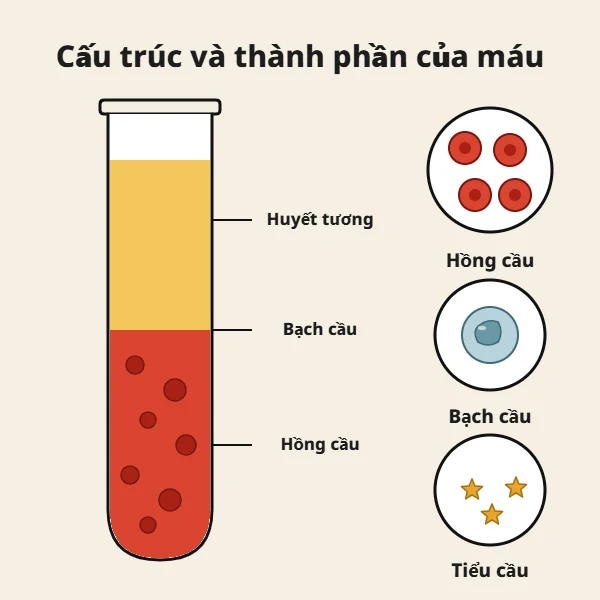
Rối loạn máu là các tình trạng ảnh hưởng đến hồng cầu, bạch cầu, tiểu cầu, protein huyết tương, yếu tố đông máu hoặc tủy xương. Một số bệnh nhẹ và có thể điều trị; một số khác cần chăm sóc khẩn cấp hoặc theo dõi bởi bác sĩ huyết học. Cách hiểu thực tế là xác định chức năng nào của máu bị ảnh hưởng: vận chuyển oxy, miễn dịch, đông máu, kiểm soát chảy máu hoặc sản xuất tế bào máu.
Các loại rối loạn máu chính
Blood disorders can be grouped by the involved system: red blood cell disorders affecting oxygen delivery; white blood cell disorders affecting immune defense or abnormal cell production; platelet disorders affecting clot formation; clotting factor disorders affecting clot stability; and thrombotic disorders involving abnormal clot formation inside blood vessels. Examples include iron deficiency anemia, B12 deficiency, thalassemia, sickle cell disease, leukopenia, neutropenia, leukemia, lymphoma, thrombocytopenia, hemophilia, von Willebrand disease, deep vein thrombosis and pulmonary embolism.
Triệu chứng thường gặp
Common symptoms include fatigue, weakness, dizziness, shortness of breath, pale skin, fast heartbeat, recurrent infections, fever, easy bruising, nosebleeds, bleeding gums, heavy menstrual bleeding, petechiae, swollen lymph nodes, night sweats, unexplained weight loss, bone pain, leg swelling, chest pain or sudden shortness of breath when a clot is possible.
Chẩn đoán
Chẩn đoán thường bắt đầu bằng khai thác bệnh sử, khám lâm sàng và xét nghiệm máu cơ bản. Công thức máu toàn bộ CBC thường là bước đầu, đo hồng cầu, bạch cầu, hemoglobin, hematocrit và tiểu cầu. Có thể cần thêm phết máu ngoại vi, sắt, ferritin, vitamin B12, folate, hồng cầu lưới, PT/INR, aPTT, fibrinogen, chức năng thận, gan, tuyến giáp, chỉ dấu viêm, xét nghiệm di truyền hoặc sinh thiết tủy xương.
Lựa chọn điều trị
Điều trị phụ thuộc vào chẩn đoán và mức độ nặng. Thiếu máu có thể cần sắt, vitamin B12, folate, xử trí nguồn chảy máu, kiểm soát bệnh mạn tính hoặc truyền máu trong trường hợp chọn lọc. Rối loạn chảy máu có thể cần yếu tố đông máu, desmopressin, thuốc chống tiêu fibrin hoặc truyền tiểu cầu. Huyết khối có thể cần thuốc chống đông và kế hoạch phòng ngừa. Ung thư máu cần chăm sóc chuyên khoa huyết học ung bướu.
Dấu hiệu cảnh báo và chăm sóc khẩn cấp
Seek urgent care for chest pain, severe shortness of breath, coughing blood, sudden weakness, facial drooping, speech difficulty, vision loss, uncontrolled bleeding, vomiting blood, black or bloody stool, fainting, severe weakness, confusion, painful swollen leg, fever with very low white blood cells or new widespread bruising and petechiae.
Xét nghiệm hiện đại và sinh thiết lỏng
Liquid biopsy tests blood or other body fluids for tumor-related material such as circulating tumor DNA. It may help in selected cancer contexts but is not a routine CBC or a universal cancer screening replacement. Clinical value and regulatory status vary. Anti-aging claims around young donor plasma should be treated cautiously.
Câu hỏi thường gặp
What is a blood disorder?
- A condition affecting blood cells, platelets, clotting factors, plasma proteins or bone marrow.
What symptoms are common?
- Fatigue, bruising, bleeding, infections, fever, swollen lymph nodes and unexplained weight loss.
Can anemia be serious?
- Yes. Severe anemia can cause shortness of breath, chest pain, faintness or rapid heartbeat.
Which test is first?
- CBC is often the first step, but additional tests identify the cause.
When is a specialist needed?
- Persistent unexplained abnormalities, recurrent clots, bleeding disorders or suspected blood cancer need professional evaluation.
Tóm tắt
Blood disorders may affect oxygen transport, immunity, clotting, bleeding control and bone marrow production. Diagnosis often starts with CBC but may require additional testing. Treatment depends on the exact cause and severity.
Tài liệu tham khảo
- NHLBI, NIH. Blood Tests. https://www.nhlbi.nih.gov/health/blood-tests
- MedlinePlus. Blood Disorders. https://medlineplus.gov/blooddisorders.html
- MSD Manual Consumer Version. Overview of Blood Disorders. https://www.msdmanuals.com/home/blood-disorders/symptoms-and-diagnosis-of-blood-disorders/overview-of-blood-disorders
- Merck Manual Consumer Version. Overview of Anemia. https://www.merckmanuals.com/home/blood-disorders/anemia/overview-of-anemia
- GRAIL. Galleri test regulatory information. https://grail.com/press-releases/grail-pathfinder-2-results-show-galleri-multi-cancer-early-detection-blood-test-increased-cancer-detection-more-than-seven-fold-when-added-to-uspstf-a-and-b-recommended-screenings/
- FDA. Important Information About Young Donor Plasma Infusions. https://www.fda.gov/vaccines-blood-biologics/safety-availability-biologics/important-information-about-young-donor-plasma-infusions-profit
Điểm chính cần nhớ
- Blood disorders affect cells, platelets, proteins, clotting factors or bone marrow.
- Symptoms depend on the affected blood function.
- CBC is a starting test, not a full diagnosis.
- Treatment depends on cause and severity.
- Emergency symptoms require urgent care.
Tuyên bố miễn trừ y khoa
This article is for general medical information only and does not replace diagnosis, treatment or personal medical advice from a qualified healthcare professional.
Hãy là người đầu tiên bình luận!