Rheumatoid Arthritis: An Autoimmune Disease and Treatment Approaches
What is Rheumatoid Arthritis and how can it be managed?
Introduction
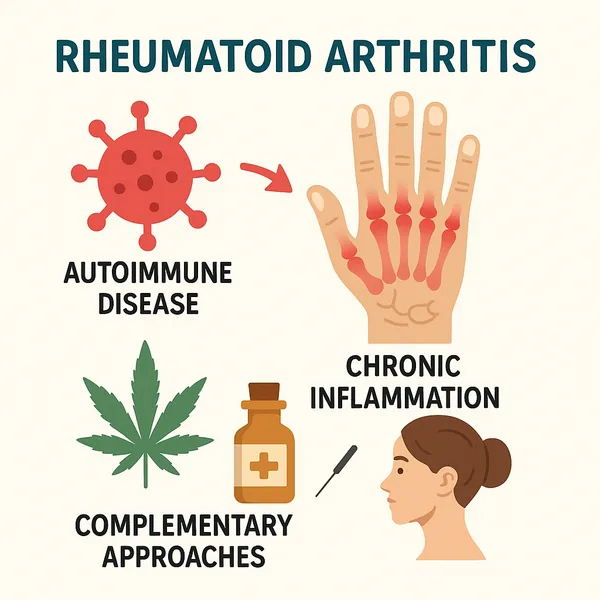
Rheumatoid arthritis is an autoimmune disease that causes chronic inflammation in the joints. The disease is characterized by pain, stiffness, and swelling, and it can affect the quality of life of those who suffer from it. In this article, we will examine the causes and symptoms of the disease, methods of diagnosis and treatment, as well as complementary approaches to managing the disease.
What is Rheumatoid Arthritis?
Rheumatoid arthritis is a disease in which the body's immune system mistakenly attacks the joints, leading to chronic inflammation. The term "autoimmune" refers to a condition where the body mistakenly identifies healthy tissues as foreign and attacks them.
Causes and Symptoms
- Chronic Inflammation: A persistent inflammatory process in the joints leading to pain and swelling.
- Joint Stiffness: Especially in the morning or after prolonged rest.
- Fatigue and Exhaustion: A general feeling of tiredness associated with the disease.
Diagnosis of Rheumatoid Arthritis
Diagnosis is based on established medical guidelines and includes blood tests to identify specific antibodies, as well as imaging tests to detect changes in joint structure. It is important to consult a specialist in cases of suspected disease to ensure accurate diagnosis.
Treatment of Rheumatoid Arthritis
Conventional treatment focuses on reducing inflammation and pain and maintaining joint function. Treatments may include anti-inflammatory medications and immunosuppressants.
Complementary Approaches
- Tailored Nutrition: Recommendations to avoid certain foods such as gluten and nightshades.
- Hemp/CBD Oil: May help reduce inflammation, but consultation with a physician is advised.
- Boswellia: A plant that may assist in reducing inflammation.
Systemic Impact
Rheumatoid arthritis does not only affect the joints but can also have effects on other systems in the body:
- Cardiovascular System: May increase the risk of heart disease.
- Eyes and Skin: Inflammatory symptoms may develop in the eyes and skin.
Warning Signs
- Severe or sudden joint pain
- High fever or other signs of infection
- Difficulty in movement or daily functioning
When to See a Doctor?
Consult a physician if the following occur:
- Joint pain that does not subside
- Swelling or redness in the joints
- General symptoms such as persistent fatigue or unexplained weight loss
Practical Tips
- Maintaining Physical Activity: May help preserve joint mobility.
- Regular Medical Follow-up: Important to monitor the disease status and make necessary treatment adjustments.
- Mental Support: Support groups can provide assistance and guidance.
Summary
Rheumatoid arthritis is a complex chronic disease that requires careful management and medical follow-up. A combination of conventional medical treatment with complementary approaches may help reduce disease symptoms and improve quality of life. In many cases, it is advisable to consult a physician before starting any new treatment.
This article is intended for general informational purposes only and does not constitute a substitute for professional medical advice.
Frequently Asked Questions (Short FAQ)
Can I wait and see if it goes away?
In mild cases, spontaneous improvement may occur, but if there is worsening or warning signs, a check-up is necessary.
Can lifestyle changes help?
In many cases, lifestyle changes may contribute, but they are not a substitute for medical evaluation when needed.
Is follow-up necessary?
Regular medical follow-up is recommended based on the clinical context and the guidelines of the treating team.



Be the first to comment!