Blood Disorders: Symptoms, Diagnosis, Treatment and Warning Signs
A practical guide to blood disorders, including anemia, leukemia, clotting and bleeding disorders, warning signs, diagnosis and treatment options.
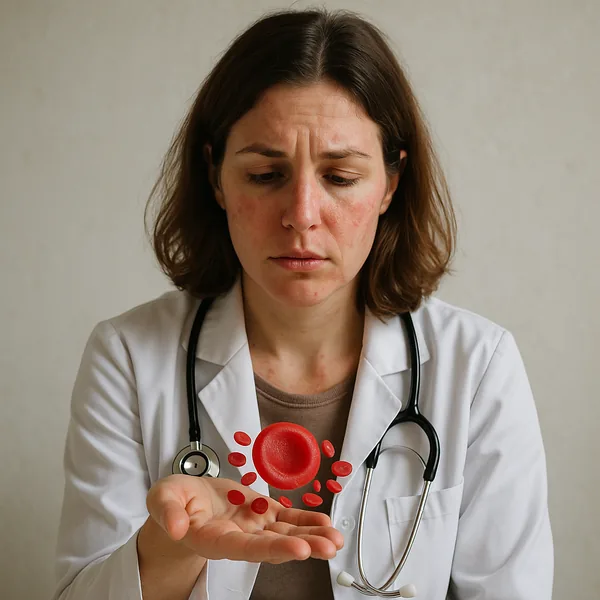
Introduction
Blood disorders are conditions that affect one or more parts of the blood: red blood cells, white blood cells, platelets, plasma proteins, clotting factors or bone marrow. Some are mild and treatable. Others are urgent or chronic and require specialist care.
A useful way to understand blood disorders is to ask which blood function is affected: oxygen delivery, immune defense, clotting, bleeding control or blood cell production. This approach keeps the topic organized and helps readers understand why symptoms can look very different from one condition to another.
Main Types of Blood Disorders
Blood disorders can be grouped by the part of the blood system involved.
Red blood cell disorders affect oxygen delivery. Examples include iron deficiency anemia, vitamin B12 deficiency anemia, folate deficiency anemia, thalassemia, sickle cell disease and polycythemia.
White blood cell disorders affect immune defense or involve abnormal white cell production. Examples include leukopenia, neutropenia, leukemia, lymphoma and some immune-related conditions.
Platelet disorders affect clot formation. Low platelets may increase bleeding risk. High platelets may occur with inflammation, iron deficiency or bone marrow conditions. Platelet function disorders can cause bleeding even when the platelet count is normal.
Clotting factor disorders affect the protein cascade that stabilizes clots. Examples include hemophilia, von Willebrand disease and acquired clotting problems related to liver disease, medications or severe illness.
Thrombotic disorders involve abnormal clot formation inside blood vessels. These may include deep vein thrombosis, pulmonary embolism, stroke-related clotting mechanisms and inherited or acquired thrombophilias.
Common Symptoms
Symptoms depend on the disorder, but common patterns include
- Fatigue, weakness, dizziness or shortness of breath, especially with anemia.
- Pale skin, rapid heartbeat or reduced exercise tolerance.
- Frequent infections, fever or slow recovery from infections.
- Easy bruising, nosebleeds, bleeding gums, heavy menstrual bleeding or prolonged bleeding after cuts.
- Tiny red or purple spots on the skin, called petechiae.
- Swollen lymph nodes, night sweats, unexplained weight loss or bone pain.
- Leg swelling, chest pain or sudden shortness of breath when a clot is possible.
These symptoms are not specific. Many non-blood conditions can cause similar complaints. Persistent, severe, recurrent or unexplained symptoms should be evaluated medically.
Diagnosis
Diagnosis usually begins with a medical history, physical examination and basic blood tests. A complete blood count is often the starting point because it measures red blood cells, white blood cells, hemoglobin, hematocrit and platelets.
Additional tests may include
- Peripheral blood smear to examine cell appearance under a microscope.
- Iron studies, ferritin, vitamin B12 and folate levels.
- Reticulocyte count to assess new red blood cell production.
- Coagulation tests such as PT/INR, aPTT and fibrinogen.
- Kidney, liver and thyroid function tests when relevant.
- Inflammatory markers or infection testing.
- Genetic tests for selected inherited conditions.
- Bone marrow biopsy when marrow disease, leukemia, lymphoma or unexplained cytopenias are suspected.
The diagnostic goal is not just to label the abnormal result. It is to find the cause and decide whether observation, urgent treatment, long-term management or specialist referral is needed.
Treatment
Treatment depends entirely on the diagnosis and severity.
Anemia treatment may include iron, vitamin B12, folate, treatment of bleeding, management of chronic disease, transfusion in selected cases or specific therapy for inherited conditions.
Bleeding disorders may require avoiding certain medications, replacing clotting factors, desmopressin in selected conditions, antifibrinolytic medicines, platelet transfusion or treatment of the underlying disease.
Clotting disorders may require anticoagulant medication, treatment of provoking factors, compression strategies, cancer evaluation in selected cases and prevention planning for future risk.
Blood cancers such as leukemia, lymphoma and myeloma may require hematology-oncology care, chemotherapy, targeted therapy, immunotherapy, radiation in selected cases, stem cell transplantation or supportive care.
Because treatments can carry significant risks, patients should not start or stop anticoagulants, antiplatelet drugs, iron therapy, supplements or cancer-related treatments without professional guidance.
Warning Signs and Emergency Care
Seek urgent or emergency medical care for
- Chest pain, severe shortness of breath or coughing blood.
- Sudden weakness, facial drooping, speech difficulty or vision loss.
- Uncontrolled bleeding or vomiting blood.
- Black stool, bloody stool or heavy bleeding with dizziness.
- Fainting, severe weakness or confusion.
- A swollen painful leg, especially with shortness of breath.
- Fever with very low white blood cells or after chemotherapy.
- New widespread bruising or petechiae with illness.
Emergency symptoms should not wait for routine appointments or online interpretation of blood tests.
Modern Testing and Liquid Biopsy
Liquid biopsy is a developing area of medicine in which blood or other body fluids are tested for tumor-related material, such as circulating tumor DNA. It may help in some cancer contexts, especially treatment selection or monitoring in specific situations.
However, liquid biopsy is not the same as a routine CBC and should not be presented as a universal cancer screening solution. Some commercial multi-cancer blood tests are available in limited settings, but regulatory status and clinical usefulness vary by test and country. Readers should rely on professional guidance and established screening recommendations rather than using experimental or non-approved tests as replacements.
Claims about anti-aging plasma treatments should also be treated cautiously. Regulatory agencies have warned that young donor plasma infusions marketed for anti-aging or similar uses lack proven clinical benefit and may carry risks.
FAQ
What is a blood disorder?
- A blood disorder is a condition that affects blood cells, platelets, clotting factors, plasma proteins or bone marrow function.
What are common symptoms of blood disorders?
- Common symptoms include fatigue, shortness of breath, bruising, bleeding, frequent infections, fever, swollen lymph nodes and unexplained weight loss.
Can anemia be serious?
- Yes. Mild anemia may cause fatigue, while severe anemia can cause shortness of breath, chest pain, faintness or rapid heartbeat.
What blood test detects blood disorders?
- A CBC is often the first test, but additional studies are usually needed to identify the cause.
Does a high white blood cell count mean leukemia?
- Not necessarily. Infection, inflammation, stress and medications can also raise white blood cells. Persistent or extreme abnormalities require evaluation.
What causes easy bruising?
- Easy bruising may be related to platelets, clotting factors, medications, liver disease, aging skin or other medical conditions.
When should I see a hematologist?
- Referral may be needed for unexplained anemia, abnormal white blood cells, low or high platelets, clotting disorders, recurrent clots, suspected blood cancer or abnormal results that persist.
Can blood disorders be treated?
- Many can be treated or managed, but treatment depends on the exact diagnosis and severity.
Summary
Blood disorders can affect oxygen transport, immunity, clotting, bleeding control and bone marrow production. Symptoms may be subtle or urgent. Diagnosis usually begins with a CBC but often requires additional testing. Treatment may be simple, such as correcting a deficiency, or complex, such as managing clotting disease or blood cancer. Persistent or severe symptoms should be evaluated by a healthcare professional.
References
- NHLBI, NIH. Blood Tests. https://www.nhlbi.nih.gov/health/blood-tests
- MedlinePlus. Blood Disorders. https://medlineplus.gov/blooddisorders.html
- MSD Manual Consumer Version. Overview of Blood Disorders. https://www.msdmanuals.com/home/blood-disorders/symptoms-and-diagnosis-of-blood-disorders/overview-of-blood-disorders
- Merck Manual Consumer Version. Overview of Anemia. https://www.merckmanuals.com/home/blood-disorders/anemia/overview-of-anemia
- GRAIL. Galleri test regulatory information, noting the test has not been cleared or approved by the FDA. https://grail.com/press-releases/grail-pathfinder-2-results-show-galleri-multi-cancer-early-detection-blood-test-increased-cancer-detection-more-than-seven-fold-when-added-to-uspstf-a-and-b-recommended-screenings/
- FDA. Important Information About Young Donor Plasma Infusions. https://www.fda.gov/vaccines-blood-biologics/safety-availability-biologics/important-information-about-young-donor-plasma-infusions-profit
Key Takeaways
- Blood disorders affect cells, platelets, plasma proteins, clotting factors or bone marrow.
- Symptoms depend on whether oxygen delivery, immunity, bleeding or clotting is affected.
- CBC is a starting test, not a complete diagnosis.
- Treatment depends on the cause and may require specialist care.
- Emergency symptoms such as chest pain, stroke signs or uncontrolled bleeding require urgent care.
- Liquid biopsy is promising but should be presented carefully and not as a replacement for established screening.
Medical Disclaimer
This article is intended for general medical information only and does not constitute diagnosis, treatment or personal medical advice. Always consult a qualified healthcare professional about symptoms, test results, medication decisions or urgent concerns.
Be the first to comment!