Dementia vs Alzheimer's Disease: Key Differences Explained
Dementia is an umbrella term; Alzheimer's is its most common cause. Learn key differences, symptoms, diagnosis, and 2025 treatments for both.

Introduction
Dementia and Alzheimer's disease are often used interchangeably, but they are not the same thing. Dementia is an umbrella term that describes a clinical syndrome of cognitive decline severe enough to interfere with daily life. Alzheimer's disease is the specific brain disease that causes most cases of dementia. Understanding the distinction matters for diagnosis, prognosis, treatment, and family planning.
Globally, more than 55 million people live with dementia, and the number is expected to reach 139 million by 2050 as populations age. In the United States alone, an estimated 7.2 million adults aged 65 and older have Alzheimer's dementia in 2025, with projections rising to 13.8 million by 2060. Alzheimer's disease accounts for approximately 60 to 80 percent of all dementia cases, making it by far the most common single cause.
This article explains how the two terms relate, where they differ, what other diseases also cause dementia, how clinicians now diagnose Alzheimer's biologically using blood tests and amyloid PET imaging, and what the new anti-amyloid antibody therapies (lecanemab and donanemab) can and cannot do. The content is informational and does not replace evaluation by a qualified neurologist or memory clinic.
Causes and Symptoms
Dementia as a syndrome can be caused by many different brain diseases. Alzheimer's disease is the most common, followed by vascular dementia, dementia with Lewy bodies, frontotemporal dementia, and mixed dementia. Each cause has a distinct underlying biology, but they often coexist in the same brain, especially in older adults.
What causes Alzheimer's disease
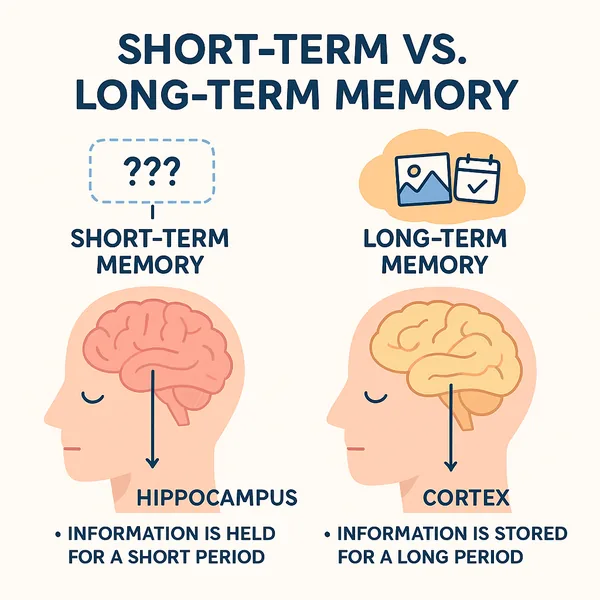
Alzheimer's disease is defined biologically by two hallmark protein changes in the brain. First, beta-amyloid (Aβ) fragments aggregate outside neurons to form amyloid plaques. Second, an abnormal form of the tau protein accumulates inside neurons to form neurofibrillary tangles. These changes begin 15 to 20 years before symptoms appear and gradually destroy neurons in regions involved in memory and thinking, especially the hippocampus and cortex.
What causes other dementias
Vascular dementia results from reduced blood flow to the brain, usually due to strokes, small-vessel disease, or chronic hypertension. Dementia with Lewy bodies is caused by abnormal alpha-synuclein deposits called Lewy bodies. Frontotemporal dementia involves abnormal tau or TDP-43 proteins in the frontal and temporal lobes. Mixed dementia means two or more of these pathologies are present at once, which is very common in late life.
Non-modifiable causes
Age is the strongest risk factor for all dementias. After age 65, the risk of Alzheimer's roughly doubles every five years. Genetics also matter: the APOE ε4 allele is the strongest common genetic risk factor for late-onset Alzheimer's. People with one copy have a 3 to 4 fold increased risk; people with two copies (about 2 percent of the general population) have a 12 to 15 fold increased risk and tend to develop symptoms earlier. Rare mutations in APP, PSEN1, or PSEN2 cause autosomal dominant early-onset Alzheimer's but account for less than 1 percent of cases.
Modifiable risk factors (Lancet Commission 2024)
The 2024 Lancet Commission on Dementia Prevention identified 14 modifiable risk factors that together account for approximately 45 percent of dementia cases worldwide:
- Less education in early life
- Hearing loss in midlife
- Untreated vision loss (new in 2024)
- High LDL cholesterol (new in 2024)
- Hypertension in midlife
- Smoking
- Obesity
- Depression
- Physical inactivity
- Diabetes
- Excessive alcohol consumption
- Traumatic brain injury
- Air pollution
- Social isolation
Common symptoms across dementias
- Memory loss that disrupts daily life (most prominent in Alzheimer's)
- Difficulty planning, problem-solving, or handling finances
- Confusion about time or place
- Trouble with familiar tasks at home or work
- Word-finding difficulty or following conversations
- Misplacing things and inability to retrace steps
- Poor judgment and decision-making
- Withdrawal from work or social activities
- Changes in mood, personality, or behavior
Symptoms vary by underlying cause. Alzheimer's usually starts with memory problems. Vascular dementia often starts with slower thinking and executive dysfunction. Lewy body dementia typically presents with visual hallucinations, fluctuating attention, and parkinsonian features. Frontotemporal dementia often begins with personality changes or language problems rather than memory loss, and it tends to strike younger (ages 40 to 65).
Dementia vs Alzheimer's vs Other Dementia Types: Comparison
The following table compares dementia as a syndrome with Alzheimer's disease and the other major causes of dementia.
| Feature | Dementia (umbrella term) | Alzheimer's Disease | Vascular Dementia | Lewy Body Dementia | Frontotemporal Dementia |
|---|---|---|---|---|---|
| What it is | A clinical syndrome of cognitive decline interfering with daily life | A specific brain disease defined by amyloid plaques and tau tangles | Cognitive decline from impaired brain blood flow | Cognitive decline from alpha-synuclein deposits | Cognitive and behavioral decline from frontal/temporal lobe degeneration |
| Share of cases | 100% (by definition) | 60 to 80% of dementia | 5 to 10% pure, often mixed | 5 to 10% | 3 to 10% (most common in under-65s) |
| Typical age of onset | Usually after 65, sometimes earlier | Usually 65+, rarely 40s-50s (familial) | Usually 65+ | Usually 65+ | Usually 40 to 65 |
| First symptoms | Varies by cause | Short-term memory loss, word-finding difficulty | Slow thinking, poor planning, sudden steps of decline | Visual hallucinations, fluctuating attention, REM sleep behavior disorder, parkinsonism | Personality change, disinhibition, apathy, or language loss |
| Progression | Varies by cause | Gradual, steady over 8 to 12 years | Stepwise after strokes or steady from small-vessel disease | Gradual, with marked fluctuations | Gradual, often faster than Alzheimer's |
| Hallmark brain changes | Depends on cause | Amyloid plaques + tau tangles | Infarcts, white matter lesions, microbleeds | Lewy bodies (alpha-synuclein) | Tau or TDP-43 protein aggregates |
| Key biomarkers | Cause-specific | Plasma p-tau217/Aβ42 ratio, amyloid PET, CSF Aβ42/40 and p-tau | MRI showing infarcts and white matter disease | DAT-SPECT showing reduced dopamine transporter | MRI showing frontal/temporal atrophy |
| Disease-modifying drug (2025) | None for the syndrome itself | Lecanemab (Leqembi), donanemab (Kisunla) for early stages | None, focus on stroke prevention | None | None |
| Symptomatic medications | Treat the underlying cause | Cholinesterase inhibitors, memantine | Manage vascular risk factors | Cholinesterase inhibitors, caution with antipsychotics | SSRIs for behavior; cholinesterase inhibitors generally not helpful |
| Reversible? | Some causes are (B12 deficiency, thyroid, NPH) | No, only slowed | No, only slowed and prevented | No | No |
Diagnosis
Diagnosing dementia is a two-step process. First, a clinician confirms that a dementia syndrome is present. Second, they identify the underlying disease causing it.
Clinical assessment
A thorough evaluation includes a detailed history from the person and a knowledgeable informant (often a spouse or adult child), a neurological examination, and a cognitive assessment. Common bedside cognitive tests include the Mini-Mental State Examination (MMSE), the Montreal Cognitive Assessment (MoCA), and the Mini-Cog. Formal neuropsychological testing is used when the diagnosis is unclear or when distinguishing mild cognitive impairment from early dementia.
Standard laboratory workup
The American Academy of Neurology recommends screening every patient with cognitive impairment for reversible causes:
- Complete blood count
- Comprehensive metabolic panel
- Thyroid-stimulating hormone (TSH)
- Vitamin B12 (and folate)
- HIV and syphilis serology in selected patients
- Brain imaging (MRI preferred; CT acceptable) to rule out tumor, hydrocephalus, stroke, or subdural hematoma
Imaging for cause-specific diagnosis
Structural MRI shows hippocampal atrophy in Alzheimer's, infarcts and white matter disease in vascular dementia, and frontal or temporal atrophy in frontotemporal dementia. Amyloid PET scans directly visualize amyloid plaques in the brain and are considered the imaging gold standard for confirming Alzheimer's pathology. FDG-PET shows characteristic patterns of reduced glucose metabolism. DAT-SPECT supports the diagnosis of dementia with Lewy bodies.
Biomarker-based diagnosis of Alzheimer's
The 2024 NIA-AA revised criteria define Alzheimer's disease biologically rather than clinically. A person with abnormal amyloid and tau biomarkers has Alzheimer's disease, even if they have no symptoms yet. The criteria use the AT(N) framework: A for amyloid, T for tau, N for neurodegeneration.
In May 2025, the FDA approved the first blood-based test for Alzheimer's diagnosis: the Lumipulse G pTau217/β-Amyloid 1-42 Plasma Ratio, indicated for adults 55 and older with cognitive symptoms. In the pivotal study, 91.7 percent of plasma-positive individuals had amyloid plaques confirmed by PET or cerebrospinal fluid testing, and 97.3 percent of plasma-negative individuals were amyloid-negative. This test makes biological confirmation of Alzheimer's far more accessible than amyloid PET or lumbar puncture.
Cerebrospinal fluid (CSF) testing of the Aβ42/40 ratio and p-tau181 or p-tau217 remains a validated alternative and is often used when blood tests are unavailable or equivocal.
Mild cognitive impairment (MCI)
MCI is the transitional stage between normal aging and dementia. The person has measurable cognitive decline but is still independent in daily activities. About 10 to 15 percent of people with MCI progress to dementia each year, although some remain stable or even improve. MCI due to Alzheimer's, confirmed by biomarkers, is the earliest stage at which anti-amyloid therapies are approved.
Treatment
Treatment depends on the underlying cause. For Alzheimer's disease, options now include both symptomatic drugs and disease-modifying anti-amyloid antibodies. For other dementias, treatment is mainly symptomatic and risk-factor focused.
Disease-modifying therapy for early Alzheimer's
Two monoclonal antibodies against amyloid beta have received full FDA approval and are the first treatments shown to slow Alzheimer's disease progression rather than only manage symptoms.
Lecanemab (Leqembi) received FDA traditional approval on July 6, 2023. In the phase 3 CLARITY-AD trial of nearly 1,800 participants, lecanemab slowed cognitive and functional decline by 27 percent over 18 months compared with placebo. It is indicated for adults with mild cognitive impairment or mild dementia due to Alzheimer's with confirmed amyloid pathology. The European Medicines Agency approved it in late 2024 with restrictions for APOE ε4 homozygotes due to higher ARIA risk. In January 2025 the FDA approved a maintenance dosing regimen of once every four weeks after the initial 18-month biweekly phase. In August 2025 the FDA approved Leqembi IQLIK, a once-weekly subcutaneous self-injectable formulation.
Donanemab (Kisunla) received FDA approval on July 2, 2024. In the phase 3 TRAILBLAZER-ALZ 2 trial of 1,736 patients, donanemab slowed clinical decline by about 22 to 35 percent depending on the population. Unlike lecanemab, donanemab can be stopped once amyloid PET shows the brain is amyloid-cleared, potentially shortening treatment duration. Evidence quality: high. The EMA granted marketing authorization in July 2025.
ARIA (amyloid-related imaging abnormalities) is the main safety concern with both drugs. ARIA includes brain edema (ARIA-E) and microhemorrhages (ARIA-H). It occurs in approximately 20 to 24 percent of treated patients, is more frequent in APOE ε4 carriers (especially homozygotes), and is usually asymptomatic but can rarely be severe. MRI monitoring is mandatory before and during treatment.
Symptomatic drugs for Alzheimer's
Cholinesterase inhibitors (donepezil, rivastigmine, galantamine) provide modest, time-limited improvements in cognition and function. Approved for mild to severe Alzheimer's. Side effects include nausea, diarrhea, vivid dreams, and bradycardia.
Memantine, an NMDA receptor antagonist, is approved for moderate to severe Alzheimer's, alone or combined with a cholinesterase inhibitor. Modest effect on cognition and behavior.
Treatment for other dementias
Vascular dementia: Aggressive control of hypertension, diabetes, atrial fibrillation, and dyslipidemia. Antiplatelet therapy after ischemic stroke. Cholinesterase inhibitors have modest evidence in mixed Alzheimer's/vascular cases.
Dementia with Lewy bodies: Cholinesterase inhibitors (especially rivastigmine) often help cognition and hallucinations. Antipsychotics must be used with extreme caution: people with Lewy body dementia are at very high risk of severe neuroleptic sensitivity reactions. Quetiapine and clozapine are preferred when antipsychotics are unavoidable. Levodopa may help motor symptoms but can worsen hallucinations.
Frontotemporal dementia: No disease-modifying therapy. Cholinesterase inhibitors are generally not effective and may worsen behavior. SSRIs may help disinhibition, compulsions, and overeating. Trazodone is sometimes used for agitation.
Non-pharmacological interventions
Evidence supports cognitive stimulation therapy, structured physical exercise, music therapy, and caregiver education and support. The FINGER trial showed that a multidomain intervention (diet, exercise, cognitive training, vascular risk monitoring) modestly preserved cognition in at-risk older adults.
Multisystem Impact
Dementia affects far more than memory. The systemic consequences shape daily life for the person and their family.
Functional decline
Activities of daily living (ADLs: dressing, bathing, toileting) and instrumental ADLs (cooking, managing finances, taking medications, driving) progressively decline. Functional staging tools like the FAST (Functional Assessment Staging Tool) and CDR (Clinical Dementia Rating) track this trajectory.
Behavioral and psychological symptoms (BPSD)
Up to 90 percent of people with dementia experience at least one behavioral or psychological symptom: agitation, depression, anxiety, apathy, hallucinations, delusions, wandering, sleep disturbance, or repetitive vocalizations. BPSD is the leading reason for institutionalization. Non-pharmacological approaches are first-line; antipsychotics carry a black-box warning for increased mortality in dementia and should be used cautiously and briefly.
Nutrition and weight
Weight loss is common in advanced Alzheimer's. Causes include forgetting to eat, swallowing difficulty (dysphagia), reduced appetite, and depression. Dysphagia increases aspiration pneumonia risk, a leading cause of death in late-stage dementia.
Sleep
REM sleep behavior disorder (acting out dreams) often precedes Lewy body dementia by years and is a strong predictor. Sleep apnea is associated with increased dementia risk and should be treated. Sundowning, with increased confusion in late afternoon or evening, is common.
Mobility and falls
People with dementia fall more often, are more likely to be injured, and recover more slowly. Lewy body dementia and vascular dementia particularly affect gait and balance. Hip fractures in this population carry high one-year mortality.
Caregiver burden
Nearly 12 million unpaid caregivers in the United States provide an estimated 19 billion hours of care annually, valued at over $413 billion. Caregivers experience higher rates of depression, anxiety, sleep disturbance, and physical illness than non-caregivers. Sixty percent are also employed. Support groups, respite care, and dementia education improve outcomes.
Warning Signs
Some warning signs require prompt medical evaluation.
Red flags for emergency evaluation
- Sudden onset of confusion, weakness, or speech problems (possible stroke: call emergency services immediately)
- New severe headache with confusion
- Fever and altered mental status (possible encephalitis or sepsis)
- Recent fall with head injury and worsening confusion (possible subdural hematoma)
- Suicidal thoughts in a person with cognitive decline
- Acute psychosis or severe agitation putting the person or others at risk
- Sudden inability to swallow, with choking on liquids or food
Signs that should prompt non-emergency clinical evaluation
- Memory loss that disrupts daily life and is noticed by family or coworkers
- Repeating the same questions or stories within minutes
- Getting lost in familiar places or while driving
- Mismanaging finances or falling for scams
- Personality change, apathy, or social withdrawal
- Trouble finding words or following conversations
- Difficulty with multi-step tasks (recipes, paying bills)
- Visual hallucinations, especially well-formed and detailed (suggests Lewy body)
- Acting out dreams during sleep (REM sleep behavior disorder)
- Cognitive symptoms appearing before age 65
When to See a Doctor
Cognitive concerns should be evaluated when they begin to affect daily function, work, driving, or relationships, or when they cause concern to family members. Early evaluation matters more now than ever because disease-modifying treatments for Alzheimer's are only effective in the mild cognitive impairment or mild dementia stages. Waiting until symptoms are obvious to outsiders often means missing the treatment window.
A primary care clinician can initiate the evaluation. Referral to a neurologist, geriatrician, or specialist memory clinic is appropriate when the diagnosis is unclear, symptoms begin before age 65, behavioral or motor symptoms are prominent, or when biomarker testing and anti-amyloid therapy are being considered.
Seek emergency care (911 in US, 112 in EU, 101 in Israel)
- Sudden weakness, numbness, vision loss, or speech problems (stroke symptoms)
- Sudden severe confusion or unresponsiveness
- Seizure with no prior history
- Head injury followed by worsening confusion
- Acute psychiatric crisis or suicidal ideation
Practical Tips
Reducing dementia risk across the lifespan
Based on the 2024 Lancet Commission's 14 modifiable risk factors, the following are evidence-based steps that can reduce dementia risk:
- Maintain blood pressure below 130/80 mmHg from midlife onward (moderate to high evidence)
- Treat hearing loss with hearing aids when needed (moderate evidence)
- Get regular vision checks and treat correctable vision problems (moderate evidence)
- Manage LDL cholesterol with statins if indicated (moderate evidence)
- Stop smoking at any age (high evidence)
- Maintain a healthy weight (BMI 18.5 to 24.9)
- Exercise regularly: at least 150 minutes per week of moderate aerobic activity plus strength training (moderate to high evidence)
- Limit alcohol to under 14 units per week (or abstain)
- Manage diabetes tightly (moderate evidence)
- Stay socially engaged: regular contact with friends, family, community
- Treat depression promptly
- Protect against head injury (helmets, seatbelts, fall prevention)
- Reduce exposure to air pollution where possible
- Pursue lifelong learning and cognitive engagement
For people living with dementia
- Establish routines for meals, medications, and sleep
- Use a single calendar, large clock, and labeled drawers
- Set up automatic bill pay and reduce financial decision-making
- Wear medical ID jewelry
- Consider GPS trackers for people who wander
- Complete advance directives, power of attorney, and healthcare proxy while still able
- Continue meaningful activities, exercise, and social contact for as long as possible
For caregivers
- Take respite breaks regularly (even short ones matter)
- Join a caregiver support group (in person or online)
- Learn de-escalation techniques for agitation
- Manage your own health, sleep, and mental wellbeing
- Plan ahead for advancing care needs and end-of-life preferences
FAQ
Are dementia and Alzheimer's disease the same thing?
No. Dementia is not a disease in itself but an umbrella term that describes a clinical syndrome of cognitive decline severe enough to interfere with daily life. Alzheimer's disease is the specific brain disease, defined by amyloid plaques and tau tangles, that causes most cases of dementia. In other words, dementia is what the person experiences (memory loss, confusion, functional decline), while Alzheimer's disease is one of several biological reasons it is happening. Saying "dementia or Alzheimer's" can be misleading: Alzheimer's is a type of dementia, not an alternative to it. The 2024 NIA-AA criteria reinforce this distinction by defining Alzheimer's biologically through biomarkers, regardless of whether the person yet has dementia.
Is all dementia Alzheimer's disease?
No. Alzheimer's disease accounts for an estimated 60 to 80 percent of dementia cases, but many people have other underlying causes. The major non-Alzheimer's dementias are vascular dementia (from impaired blood flow), dementia with Lewy bodies (from alpha-synuclein deposits), frontotemporal dementia (from frontal or temporal lobe degeneration), and Parkinson's disease dementia. Mixed dementia, where two or more of these pathologies coexist, is extremely common in older adults: brain bank studies show concomitant Alzheimer pathology in about two-thirds of patients with Lewy body or vascular dementia. Some dementias are partially reversible, including those caused by vitamin B12 deficiency, hypothyroidism, normal pressure hydrocephalus, and medication side effects. That is why every person with cognitive decline deserves a thorough workup.
Is senile dementia Alzheimer's disease?
"Senile dementia" is an outdated term that is no longer used in modern medicine. Historically, "senile dementia" referred to dementia developing after age 65, while "presenile dementia" referred to onset before 65. Both terms have been replaced because they implied that cognitive decline was a normal part of old age, which it is not. Today, clinicians identify the specific cause (Alzheimer's, vascular, Lewy body, frontotemporal, or other) regardless of age. So a person formerly labeled as having "senile dementia" most often had Alzheimer's disease, but might equally have had vascular or mixed dementia. The modern approach is to give a specific etiologic diagnosis whenever possible.
Is vascular dementia Alzheimer's disease?
No. Vascular dementia is a distinct cause of dementia, second in frequency to Alzheimer's. It results from impaired blood supply to the brain, usually from strokes (large or small), chronic small-vessel disease, or both. Its hallmark features differ from Alzheimer's: progression is often stepwise rather than gradual, executive dysfunction and slowed processing are more prominent than memory loss at the start, and MRI typically shows infarcts, white matter hyperintensities, or microbleeds. However, vascular pathology and Alzheimer's pathology very often coexist (mixed dementia), and the two conditions share many modifiable risk factors including hypertension, diabetes, smoking, and physical inactivity. Treating vascular risk factors aggressively can reduce risk for both.
Is frontotemporal dementia Alzheimer's disease?
No. Frontotemporal dementia (FTD) is a separate group of disorders caused by degeneration of the frontal and temporal lobes, driven by abnormal accumulation of tau or TDP-43 proteins. FTD differs from Alzheimer's in several important ways. It tends to strike younger (typically 40 to 65 years old), it usually presents with personality change, disinhibition, apathy, or language problems rather than memory loss, and it has a stronger genetic component, with about 30 to 50 percent of cases having a family history. There is currently no disease-modifying treatment, and cholinesterase inhibitors used in Alzheimer's are generally not helpful and may worsen behavior in FTD. Accurate diagnosis matters because management differs substantially.
Are dementia and Alzheimer's disease hereditary?
Genetics play a role, but most dementia and most Alzheimer's are not directly inherited in a simple way. Fewer than 1 percent of Alzheimer's cases are caused by autosomal dominant mutations in APP, PSEN1, or PSEN2, which cause early-onset familial Alzheimer's and are almost fully penetrant. The vast majority of Alzheimer's is late-onset and influenced by a combination of common genetic variants, age, and lifestyle factors. The strongest common genetic risk factor is the APOE ε4 allele: one copy increases risk 3 to 4 fold, two copies increase risk 12 to 15 fold. About 15 to 25 percent of the general population carries one copy of APOE ε4 and 2 to 5 percent carry two copies. Importantly, having APOE ε4 does not guarantee Alzheimer's, and people without it can still develop the disease. Frontotemporal dementia has the strongest hereditary component among dementias, with about 30 to 50 percent of cases familial.
Is dementia or Alzheimer's disease a normal part of aging?
No. Some slowing of processing speed and occasional word-finding difficulty are normal with age. Dementia is not. Dementia involves cognitive decline severe enough to interfere with daily activities, and it always reflects an underlying brain disease (most commonly Alzheimer's). Although risk rises sharply with age (about 5 percent of people aged 65 to 74, 13 percent of 75 to 84, and 33 percent of those 85 and older have Alzheimer's dementia), most older adults never develop dementia. Treating cognitive decline as inevitable can delay diagnosis and miss the window when anti-amyloid treatments and risk-factor modification can do the most good.
How are dementia and Alzheimer's disease related?
Alzheimer's disease is the most common cause of dementia. The relationship is one of cause and effect: Alzheimer's disease pathology (amyloid plaques and tau tangles) builds up in the brain over 15 to 20 years and eventually produces enough neuronal damage that the person develops the clinical syndrome of dementia. In medical terminology, a person can have Alzheimer's disease without dementia (biomarker-positive but cognitively normal, called preclinical Alzheimer's), Alzheimer's disease with mild cognitive impairment, or Alzheimer's disease with dementia. The 2024 NIA-AA criteria reframe Alzheimer's as a continuum that begins with biomarker changes long before symptoms. Conversely, a person can have dementia without Alzheimer's: vascular, Lewy body, frontotemporal, and other causes account for 20 to 40 percent of dementia cases.
How are dementia and Alzheimer's disease different?
The core difference is that dementia is a clinical syndrome and Alzheimer's is a specific disease. To put it plainly: dementia describes the symptoms (memory loss, confusion, functional decline); Alzheimer's describes one biological cause of those symptoms. Other differences follow from this. Dementia can be caused by many diseases, only some of which are progressive or untreatable. Alzheimer's, in contrast, has a defined biology (amyloid and tau), specific biomarkers (plasma p-tau217, amyloid PET, CSF tests), and now approved disease-modifying treatments (lecanemab and donanemab) for early stages. A dementia diagnosis without specifying the cause is incomplete; a complete workup identifies the cause so that prognosis, treatment, and family planning can be appropriately tailored.
Summary
Dementia is a clinical syndrome of cognitive decline that interferes with daily life. Alzheimer's disease is the most common biological cause of that syndrome, but it is not the only one: vascular, Lewy body, frontotemporal, and mixed dementias together account for 20 to 40 percent of cases. The distinction matters because diagnosis, prognosis, and treatment all depend on identifying the specific underlying disease. The 2024 NIA-AA criteria now define Alzheimer's biologically through biomarkers, and the FDA-approved Lumipulse blood test (2025) and anti-amyloid antibodies lecanemab (2023) and donanemab (2024) have transformed what early diagnosis and treatment can offer.
If you or someone you care about is experiencing memory loss or other cognitive changes, see a clinician early. Effective treatments work best in the mild cognitive impairment or mild dementia stages, and many reversible causes can be ruled out. Risk reduction, by addressing the 14 modifiable factors identified by the Lancet Commission, could prevent or delay an estimated 45 percent of dementia cases worldwide. It is never too early and never too late to act on brain health.
References
- Alzheimer's Association. 2025 Alzheimer's Disease Facts and Figures. Alzheimer's & Dementia. 2025;21:e70235. https://alz-journals.onlinelibrary.wiley.com/doi/full/10.1002/alz.70235
- Jack CR Jr, Andrews JS, Beach TG, et al. Revised criteria for diagnosis and staging of Alzheimer's disease: Alzheimer's Association Workgroup. Alzheimer's & Dementia. 2024;20(8):5143-5169. https://alz-journals.onlinelibrary.wiley.com/doi/10.1002/alz.13859
- Livingston G, Huntley J, Liu KY, et al. Dementia prevention, intervention, and care: 2024 report of the Lancet standing Commission. The Lancet. 2024;404(10452):572-628. https://www.thelancet.com/commissions-do/dementia-prevention-intervention-and-care
- GBD 2019 Dementia Forecasting Collaborators. Estimation of the global prevalence of dementia in 2019 and forecasted prevalence in 2050. Lancet Public Health. 2022;7(2):e105-e125. https://pubmed.ncbi.nlm.nih.gov/34998485/
- van Dyck CH, Swanson CJ, Aisen P, et al. Lecanemab in Early Alzheimer's Disease (CLARITY-AD). N Engl J Med. 2023;388(1):9-21. https://www.nejm.org/doi/full/10.1056/NEJMoa2212948
- Sims JR, Zimmer JA, Evans CD, et al. Donanemab in Early Symptomatic Alzheimer's Disease (TRAILBLAZER-ALZ 2). JAMA. 2023;330(6):512-527. https://jamanetwork.com/journals/jama/fullarticle/2807533
- US FDA. FDA clears first blood test used in diagnosing Alzheimer's disease. May 16, 2025. https://www.fda.gov/news-events/press-announcements/fda-clears-first-blood-test-used-diagnosing-alzheimers-disease
- National Institute on Aging. Alzheimer's Disease Genetics Fact Sheet. https://www.nia.nih.gov/health/alzheimers-causes-and-risk-factors/alzheimers-disease-genetics-fact-sheet
- National Institute on Aging. Understanding Different Types of Dementia. https://www.nia.nih.gov/health/alzheimers-and-dementia/understanding-different-types-dementia
- Alzheimer's Society UK. Types of dementia. https://www.alzheimers.org.uk/about-dementia/types-dementia
- World Health Organization. Global status report on the public health response to dementia. 2021. https://www.who.int/publications/i/item/9789240033245
- Cleveland Clinic. Dementia: What It Is, Causes, Symptoms, Treatment & Types. https://my.clevelandclinic.org/health/diseases/9170-dementia
- Mayo Clinic. New FDA-approved blood tests for diagnosing Alzheimer's disease. https://www.mayoclinic.org/diseases-conditions/alzheimers-disease/in-depth/new-blood-tests-alzheimers/art-20585060
- Fortea J, Pegueroles J, Alcolea D, et al. APOE4 homozygosity represents a distinct genetic form of Alzheimer's disease. Nat Med. 2024;30(5):1284-1291. https://pubmed.ncbi.nlm.nih.gov/38710950/
- Alzheimer's Association. Lecanemab Approved for Treatment of Early Alzheimer's. https://www.alz.org/alzheimers-dementia/treatments/lecanemab-leqembi
Key Takeaways
- Dementia is a clinical syndrome of cognitive decline; Alzheimer's disease is the most common specific biological cause of that syndrome.
- Alzheimer's accounts for about 60 to 80 percent of dementia cases worldwide.
- Other major causes include vascular dementia, dementia with Lewy bodies, frontotemporal dementia, and mixed dementia.
- Alzheimer's is now diagnosed biologically using biomarkers (plasma p-tau217/Aβ42, amyloid PET, CSF) per 2024 NIA-AA criteria.
- The FDA-approved Lumipulse blood test (May 2025) made biological confirmation of Alzheimer's far more accessible.
- Lecanemab and donanemab are the first disease-modifying treatments for early Alzheimer's, slowing decline by 22 to 35 percent.
- ARIA (brain swelling or microbleeds) occurs in about 20 to 24 percent of anti-amyloid antibody recipients and requires MRI monitoring.
- APOE ε4 is the strongest common genetic risk factor: 1 copy gives 3 to 4 fold risk, 2 copies give 12 to 15 fold risk.
- Up to 45 percent of dementia cases worldwide are potentially preventable by addressing 14 modifiable risk factors (Lancet 2024).
- Dementia is not a normal part of aging; cognitive decline that interferes with daily life always deserves medical evaluation.
- Early evaluation matters more than ever because disease-modifying treatments work only in mild stages.
- Caregiver support, advance planning, and risk-factor modification benefit every person on the dementia journey.
Medical Disclaimer
This article is intended for general information only and does not constitute medical advice, diagnosis, or treatment recommendations. It is not a substitute for consultation with a qualified healthcare professional. Information is based on scientific evidence as of May 2026.
Before starting, stopping, or changing any medication, supplement, or therapy, consult a clinician familiar with your full medical history.
In a medical emergency, seek immediate care (911 in the US, 112 in Europe, 101 in Israel). Do not rely on internet information in an emergency.
References
- Alzheimer's Association. 2025 Alzheimer's Disease Facts and Figures. Alzheimer's & Dementia. 2025;21:e70235. https://alz-journals.onlinelibrary.wiley.com/doi/full/10.1002/alz.70235
- Jack CR Jr, Andrews JS, Beach TG, et al. Revised criteria for diagnosis and staging of Alzheimer's disease: Alzheimer's Association Workgroup. Alzheimer's & Dementia. 2024;20(8):5143-5169. https://alz-journals.onlinelibrary.wiley.com/doi/10.1002/alz.13859
- Livingston G, Huntley J, Liu KY, et al. Dementia prevention, intervention, and care: 2024 report of the Lancet standing Commission. The Lancet. 2024;404(10452):572-628. https://www.thelancet.com/commissions-do/dementia-prevention-intervention-and-care
- GBD 2019 Dementia Forecasting Collaborators. Estimation of the global prevalence of dementia in 2019 and forecasted prevalence in 2050. Lancet Public Health. 2022;7(2):e105-e125. https://pubmed.ncbi.nlm.nih.gov/34998485/
- van Dyck CH, Swanson CJ, Aisen P, et al. Lecanemab in Early Alzheimer's Disease (CLARITY-AD). N Engl J Med. 2023;388(1):9-21. https://www.nejm.org/doi/full/10.1056/NEJMoa2212948
- Sims JR, Zimmer JA, Evans CD, et al. Donanemab in Early Symptomatic Alzheimer's Disease (TRAILBLAZER-ALZ 2). JAMA. 2023;330(6):512-527. https://jamanetwork.com/journals/jama/fullarticle/2807533
- US FDA. FDA clears first blood test used in diagnosing Alzheimer's disease. May 16, 2025. https://www.fda.gov/news-events/press-announcements/fda-clears-first-blood-test-used-diagnosing-alzheimers-disease
- National Institute on Aging. Alzheimer's Disease Genetics Fact Sheet. https://www.nia.nih.gov/health/alzheimers-causes-and-risk-factors/alzheimers-disease-genetics-fact-sheet
- National Institute on Aging. Understanding Different Types of Dementia. https://www.nia.nih.gov/health/alzheimers-and-dementia/understanding-different-types-dementia
- Alzheimer's Society UK. Types of dementia. https://www.alzheimers.org.uk/about-dementia/types-dementia
- World Health Organization. Global status report on the public health response to dementia. 2021. https://www.who.int/publications/i/item/9789240033245
- Cleveland Clinic. Dementia: What It Is, Causes, Symptoms, Treatment & Types. https://my.clevelandclinic.org/health/diseases/9170-dementia
- Mayo Clinic. New FDA-approved blood tests for diagnosing Alzheimer's disease. https://www.mayoclinic.org/diseases-conditions/alzheimers-disease/in-depth/new-blood-tests-alzheimers/art-20585060
- Fortea J, Pegueroles J, Alcolea D, et al. APOE4 homozygosity represents a distinct genetic form of Alzheimer's disease. Nat Med. 2024;30(5):1284-1291. https://pubmed.ncbi.nlm.nih.gov/38710950/
- Alzheimer's Association. Lecanemab Approved for Treatment of Early Alzheimer's. https://www.alz.org/alzheimers-dementia/treatments/lecanemab-leqembi

Be the first to comment!