Osteoporosis: Decrease in Bone Density
How to Deal with the Common Bone Disease Among Adults
Introduction
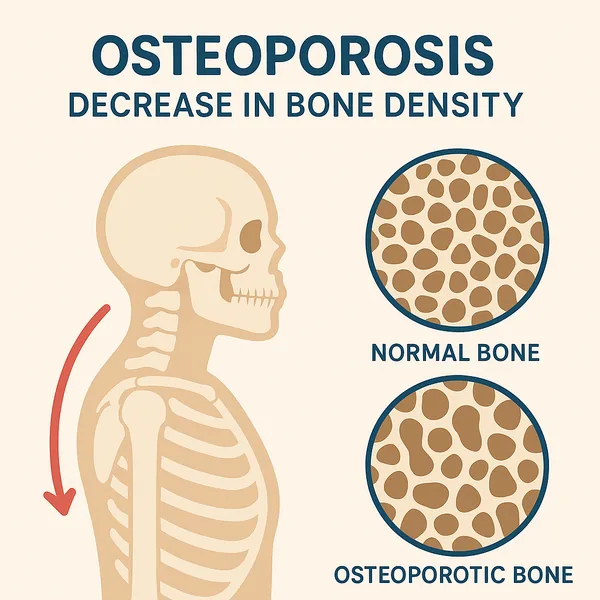
Osteoporosis is a common disease that primarily affects individuals over the age of 40, characterized by a decrease in bone density that increases the risk of fractures. The disease develops gradually and often goes unnoticed until a fracture occurs.
What is Osteoporosis?
Osteoporosis is a condition in which there is a decrease in bone density, leading to weakened bones and an increased risk of fractures. The structure of the bone becomes more porous, reducing its ability to bear loads.
Bone Density
Bone density refers to the amount of minerals in the bones, particularly calcium, which helps them maintain their strength and durability. A decrease in bone density is a key sign of osteoporosis.
Bone Fractures
Bone fractures may occur even from minor injuries in the condition of osteoporosis. Common sites for fractures include the thigh, spine, and wrist.
Causes of Osteoporosis
Genetic Factors and Hormonal Influence
- Genetics: Genetic predisposition affects the risk of osteoporosis.
- Hormones: Decreased estrogen levels in both women and men may lead to the development of the disease.
Nutrition and Lifestyle
- Calcium and Magnesium Intake: A deficiency in these minerals may contribute to a decrease in bone density.
- Physical Activity: Lack of physical activity negatively impacts bone health.
Diagnosis and Treatment of Osteoporosis
Diagnosis
Diagnosis includes bone density tests (DEXA) that provide information about the condition of the bones.
Treatment
Treatment may include medications aimed at increasing bone density and reducing the risk of fractures. Additionally, a diet rich in calcium and magnesium, as well as practicing Qigong to improve balance, may provide significant support.
Multisystemic Impact
Osteoporosis may also affect other systems in the body:
- Muscular System: Impairment of balance and muscle strength.
- Nervous System: Fractures can lead to pressure on nerves in the spine.
When to See a Doctor?
You should see a doctor in case of:
- Sudden pain in bones or back
- Sharp decrease in height
- Fractures that occur relatively easily
Practical Tips
- Maintain a Healthy Body Weight: Weight loss may reduce the load on the bones.
- Balanced Diet: Ensure a diet rich in calcium and magnesium.
- Regular Physical Activity: Practice Qigong or yoga to improve balance.
Summary
Osteoporosis is a disease that affects quality of life, but it can be managed with early diagnosis, appropriate treatment, and lifestyle changes. It is important to maintain medical follow-up and consult a doctor for concerning symptoms. Maintaining a healthy lifestyle can improve bone condition and overall quality of life.
This article is intended for general informational purposes only and does not constitute a substitute for professional medical advice.
Warning Signs
- Rapid worsening of pain, significant weakness, or unusual new symptoms.
- Bleeding, shortness of breath, fainting, or persistent fever.
Frequently Asked Questions (Short FAQ)
Can I wait and see if it passes?
In mild cases, spontaneous improvement may occur, but if there is worsening or warning signs, a check-up should be sought.
Can lifestyle changes help?
In many cases, lifestyle changes may contribute, but they do not replace the need for medical evaluation when required.
Is follow-up necessary?
Medical follow-up is recommended based on the clinical context and the guidelines of the treating team.

Be the first to comment!