Bluterkrankungen: Symptome, Diagnose, Behandlung und Warnzeichen
Ein praktischer Leitfaden zu Bluterkrankungen, einschließlich Anämie, Leukämie, Gerinnungs- und Blutungsstörungen, Warnzeichen, Diagnostik und Therapie.
Einführung
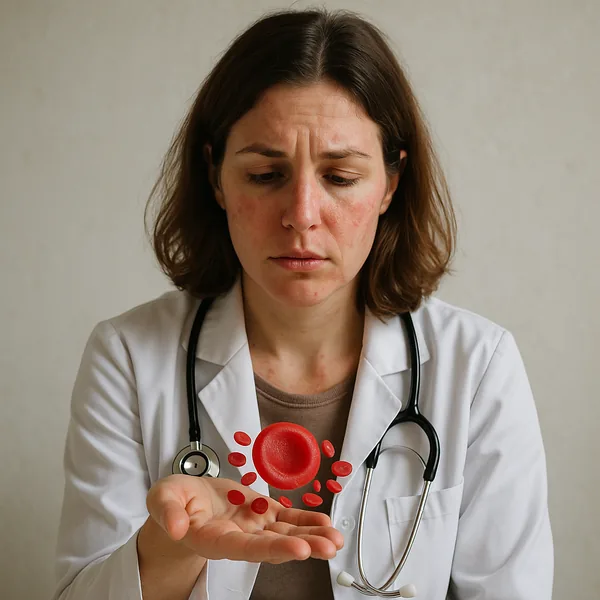
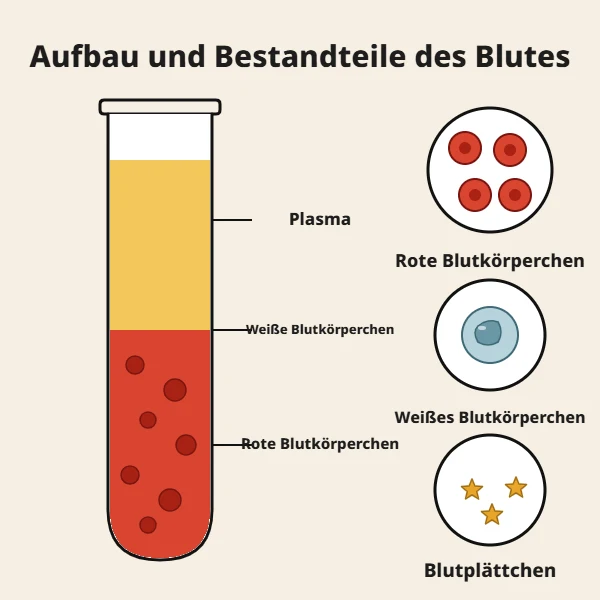
Bluterkrankungen sind Erkrankungen, die rote Blutkörperchen, weiße Blutkörperchen, Blutplättchen, Plasmaproteine, Gerinnungsfaktoren oder das Knochenmark betreffen. Manche sind mild und behandelbar, andere erfordern rasche Abklärung oder langfristige fachärztliche Betreuung. Entscheidend ist, welche Blutfunktion gestört ist: Sauerstofftransport, Immunabwehr, Gerinnung, Blutungskontrolle oder Blutbildung.
Haupttypen von Bluterkrankungen
Blood disorders can be grouped by the involved system: red blood cell disorders affecting oxygen delivery; white blood cell disorders affecting immune defense or abnormal cell production; platelet disorders affecting clot formation; clotting factor disorders affecting clot stability; and thrombotic disorders involving abnormal clot formation inside blood vessels. Examples include iron deficiency anemia, B12 deficiency, thalassemia, sickle cell disease, leukopenia, neutropenia, leukemia, lymphoma, thrombocytopenia, hemophilia, von Willebrand disease, deep vein thrombosis and pulmonary embolism.
Häufige Symptome
Symptoms vary by condition but commonly include fatigue, weakness, shortness of breath, pallor, fast heartbeat, recurrent infections, fever, easy bruising, nosebleeds, bleeding gums, heavy menstrual bleeding, petechiae, swollen lymph nodes, night sweats, unexplained weight loss, bone pain, leg swelling, chest pain or sudden shortness of breath when a clot is possible.
Diagnose
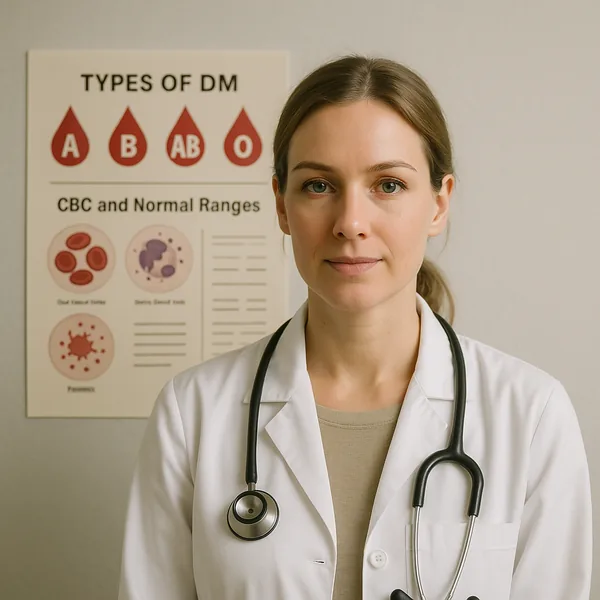
Blutbild, Blutausstrich, Eisenstatus, Ferritin, Vitamin B12, Folsäure, Retikulozyten, PT/INR, aPTT, Fibrinogen sowie Nieren-, Leber- und Schilddrüsenwerte können je nach Situation wichtig sein. Bei Verdacht auf Knochenmarkerkrankung, Leukämie, Lymphom oder ungeklärte Zytopenien kann eine Knochenmarkbiopsie nötig sein.
Behandlungsoptionen
Die Behandlung richtet sich nach Diagnose und Schweregrad. Anämien können Eisen, Vitamin B12, Folsäure, Behandlung einer Blutungsquelle oder in ausgewählten Fällen Transfusionen erfordern. Blutungsstörungen können Gerinnungsfaktoren, Desmopressin, antifibrinolytische Medikamente oder Thrombozytentransfusionen benötigen. Thrombosen werden häufig mit Antikoagulanzien und Risikoprävention behandelt. Blutkrebserkrankungen benötigen hämatologisch-onkologische Versorgung.
Warnzeichen und Notfallversorgung
Urgent care is required for chest pain, severe shortness of breath, coughing blood, sudden weakness, facial drooping, speech difficulty, vision loss, uncontrolled bleeding, vomiting blood, black or bloody stool, fainting, confusion, a painful swollen leg, fever with very low white blood cells or new widespread bruising and petechiae.
Moderne Tests und Flüssigbiopsie
Liquid biopsy is a developing field that tests blood or other body fluids for tumor-related material such as circulating tumor DNA. It may help in selected cancer settings, but it is not a routine CBC and should not replace established screening recommendations. Regulatory status and clinical value vary by test and country. Claims about young donor plasma for anti-aging should also be treated cautiously.
FAQ
What is a blood disorder?
- A condition affecting blood cells, platelets, clotting factors, plasma proteins or bone marrow.
What symptoms are common?
- Fatigue, bruising, bleeding, infections, fever, swollen lymph nodes and unexplained weight loss.
Can anemia be serious?
- Yes. Severe anemia can cause shortness of breath, chest pain, faintness or rapid heartbeat.
Which test is first?
- A complete blood count is often the first step, but additional tests identify the cause.
When is a hematologist needed?
- Persistent unexplained abnormalities, recurrent clots, bleeding disorders or suspected blood cancer should be evaluated.
Zusammenfassung
Blood disorders can affect oxygen transport, immunity, clotting, bleeding control and bone marrow production. Diagnosis commonly starts with CBC but often requires additional testing. Treatment may be simple or complex, depending on the cause.
Quellen
- NHLBI, NIH. Blood Tests. https://www.nhlbi.nih.gov/health/blood-tests
- MedlinePlus. Blood Disorders. https://medlineplus.gov/blooddisorders.html
- MSD Manual Consumer Version. Overview of Blood Disorders. https://www.msdmanuals.com/home/blood-disorders/symptoms-and-diagnosis-of-blood-disorders/overview-of-blood-disorders
- Merck Manual Consumer Version. Overview of Anemia. https://www.merckmanuals.com/home/blood-disorders/anemia/overview-of-anemia
- GRAIL. Galleri test regulatory information. https://grail.com/press-releases/grail-pathfinder-2-results-show-galleri-multi-cancer-early-detection-blood-test-increased-cancer-detection-more-than-seven-fold-when-added-to-uspstf-a-and-b-recommended-screenings/
- FDA. Important Information About Young Donor Plasma Infusions. https://www.fda.gov/vaccines-blood-biologics/safety-availability-biologics/important-information-about-young-donor-plasma-infusions-profit
Wichtigste Erkenntnisse
- Blood disorders affect cells, platelets, plasma proteins, clotting factors or marrow.
- Symptoms depend on whether oxygen delivery, immunity, bleeding or clotting is affected.
- CBC is a starting test, not a complete diagnosis.
- Treatment depends on the cause and may require specialist care.
- Emergency signs require urgent care.
Medizinischer Haftungsausschluss
This article is for general medical information only and does not replace diagnosis, treatment or personal medical advice from a qualified healthcare professional.
Seien Sie der Erste!